RateTube.ru
 Канал:
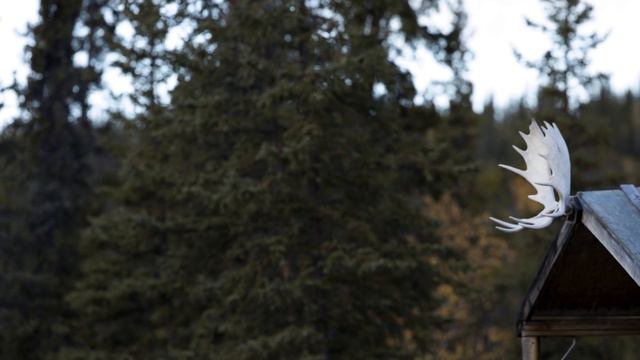
An intact boreal forest is essential for the survival of Dene communities says James Marlowe.
Marlowe is a Dene hunter and guide from the Lutsel Ke Dene First Nation a remote Indigenous community on the east arm of Great Slave Lake in Canadas boreal forest.
The lifestyle of the Dene is experiencing some changes and so is the forest landscape as demand for the areas rich natural resources expands.
The boreal region of Canada stretches across more than a billion acres and is one of the largest intact forest ecosystems on Earth.
Pews International Boreal Conservation Campaign encourages a balance between development and conservation and works with the people who live and there to achieve that goal.
People of the Boreal is a multimedia project that tells the stories of those who have the most to gain or lose from decisions about how the region is managed.
Learn more about Indigenous hunter James Marlowe and view the entire People of the Boreal series here:
TRANSCRIPT
James Marlowe speaking
When Im out in the bush I like the quietness
the sounds of nature and the beauty
and knowing that were free.
At a young age I learned my hunting skills by observing elders.
Its healthy to be out there mentally physically.
And the food you harvest from the land is all natural.
My name is James Marlowe.
I was born and raised in Lutsel Ke Northwest Territories.
I am a member of the Lutsel Ke Dene First Nation.
Right now were at the cabin which I built for my kids and my spouse to live in and to practice traditional activities and a part of our culture.
And were at Duhamel Lake a small lake.
And the lake contains a lot of wildlife such as moose ducks geese beavers muskrats musk oxen and also fish.
This area I know it like the top of my hand.
I am self-supported doing my own stuff such as taking out people hunting fishing showing them our way of life so that they have an idea of how the land looks how fresh and natural it is.
And at times I create weekend events for our young people.
Where the youth can go and the elders can teach them traditional activities so that they wont lose the knowledge of how to do it.
Im teaching them how to hunt fish and trap.
And I think its important to keep it up so that they know how to survive out on the land.
Right now were doing a moose camp.
And we want to take kids out to hunt moose and show them how to track them and prepare the meat once its harvested.
Its a lot of work.
Its not that simple as going out there shooting and bringing the meat back.
And once you shoot the moose theres a system of how to properly butcher it.
You know Ive always been taught that its good to share.
I would package up little packets of meat and go out in the community and we give it all out.
The whole community benefits.
We do this as part of our tradition.
And at the same time this creates good luck for us the hunters.
Its important to me to protect the land the water animals because we depend on it for our survival.
Right there if you look out the window theres just like a grocery store.
All the animals that live on our land
You go out there and harvest them and you have healthy food.
The fresh water here is fresher than the bottled water.
You can go anywhere any lake any river you can take a cup and just drink it.
But at the moment theres a lot of development happening in our area.
In the 1990s there was a big diamond rush.
Those mines are located right in the main migration route of the caribou.
They made big holes in our land where the caribou is avoiding and all the noise and all the dust from the mine.
The caribous know that.
So theyre moving somewhere else.
And now theres hardly any caribou.
Hopefully that will go back to its normal herd someday.
We want the kids to have a future that they see today.
In 100 years or so we want them to live how we live.
We want to keep it that way so that they can keep their culture that we want them to hunt fish and trap in the future.
And also teach the skills they know and pass it on to their kids.
When people come to visit us were hoping that they come and we teach them our way of life.
We want visitors to go away knowing that theres indigenous and First Nations people living out here in the bush in the wilderness.
That are still practicing their way of life in a clean pristine area that has no pollution that the ancestors had provided for them.
I want them to feel happy knowing that theres an area that is being protected for as long as the Earth is here.
Источник: rutube.ru
⇒Расскажите об этом видео Indigenous Hunter Keeps Traditions Alive in Boreal Forest, своим друзьям в социальных сетях.
Ссылка на страницу с видео:
HTML-ссылка на страницу с видео:
Код для вставки плеера:Коттеджный поселок "Морские Сезоны"-Морские Сезоны - онлайн
Морские диверсанты ВМФ РФ!!! НОВЫЙ КЛИП И ПЕСНЯ "СПЕЦНАЗ ТОФ" (ВИТА...
НОВЫЙ РАБОЧИЙ ЧИТ ДЛЯ NEXT RP. СПИДХАК ДЛЯ NEXT RP. БОТ NEXT RP-NEX...
ПРОВЕРЯЕМ ПЕНЗАВТОРСЫРЬЕ, ВТОРМА И ПЕТРОВ Н.Н. НА РЯБОВА 30А. ЭТП ...
ON-Line трансляция Конгресса-2019 холдинга - онлайн